
Key Takeaways
CholeDerm wound care involves more than placing a dressing over an injury. You need a wound assessment, a suitable application technique, and regular review of the patient’s overall healing progress.
- CholeDerm is a lyophilized sheet made from cholecystic extracellular matrix.
- It is intended for dermal application and supports a moist wound environment.
- Wound-bed preparation should address bleeding, nonviable tissue, infection, and exudate.
- Dressing security and change timing should reflect the wound and surrounding skin.
- Clinical review remains essential, especially when healing is delayed or infection is suspected.
What CholeDerm is and how it supports wound healing
CholeDerm is an animal-derived extracellular matrix dressing intended for use on skin wounds. The material is supplied as a lyophilized sheet and is designed to cover and protect the wound while supporting conditions conducive to healing. You should view it as one part of a broader wound-care plan, not as a substitute for assessment, cleansing, infection management, or follow-up.
Composition and biological properties
CholeDerm is described as a collagen-rich scaffold made from the extracellular matrix of the cholecyst, or gall bladder, of farm animals. The source material is cleaned and processed to remove cellular components, leaving a tissue-derived matrix for dermal application. This biological structure is the basis for its role as a wound covering and scaffold during repair.
The product’s documented composition is distinct from an ordinary gauze dressing. For a closer look at the underlying extracellular-matrix approach, you can review this CholeDerm technology overview, while keeping the product’s approved instructions and clinical judgment central to use.
How the dressing interacts with the wound bed
Once positioned over a suitably prepared wound, the sheet covers the damaged area and helps maintain contact between the wound bed and the matrix. The intended healing effects described for CholeDerm include faster re-epithelialization, enhanced angiogenesis, tissue regeneration, and favorable collagen remodeling. These terms describe biological processes; they do not remove the need to control infection, pressure, friction, or other barriers to healing.
A useful clinical principle is to judge the dressing by the wound’s response over time rather than by appearance at a single change. The wound bed remains the priority, so the product should be used alongside a clear plan for reassessment.
Wounds that may benefit from its use
The available descriptions place CholeDerm within advanced wound care for skin wounds, including burns, diabetic ulcers, pressure ulcers, trauma wounds, and some surgical wounds. Whether it is appropriate for you or your patient depends on depth, tissue viability, exudate, infection status, perfusion, and the intended treatment goal.
The product information and clinical resources associated with CholeDerm wound indications can help frame that decision. They should support, rather than replace, the treating clinician’s examination and the applicable instructions for use.
The role of a moist healing environment
A wound that is neither excessively dry nor saturated may support orderly cell movement and tissue repair. CholeDerm is described as covering, protecting, and maintaining a moist environment conducive to healing. That does not mean every wound should remain wet; excess exudate still needs to be managed to protect the wound edges and surrounding skin.
Moisture balance is therefore a practical monitoring issue. You should consider the amount of drainage, the condition of the periwound skin, the secondary dressing, and whether the dressing remains appropriately positioned.
When to consider CholeDerm in clinical wound care
Choosing an advanced dressing begins with the wound, the patient, and the treatment objective. CholeDerm may be considered when a dermal covering and extracellular-matrix scaffold are clinically appropriate, but the decision should follow a structured assessment rather than the wound label alone. Depth, contamination, perfusion, comorbidities, and the capacity for follow-up all matter.
The product has been described for several categories of skin wounds, while individual suitability remains a clinical decision. If you are reviewing the available evidence, the clinical evidence for CholeDerm provides a useful starting point for understanding how product information and clinical evaluation fit together.
Acute wounds and traumatic tissue loss
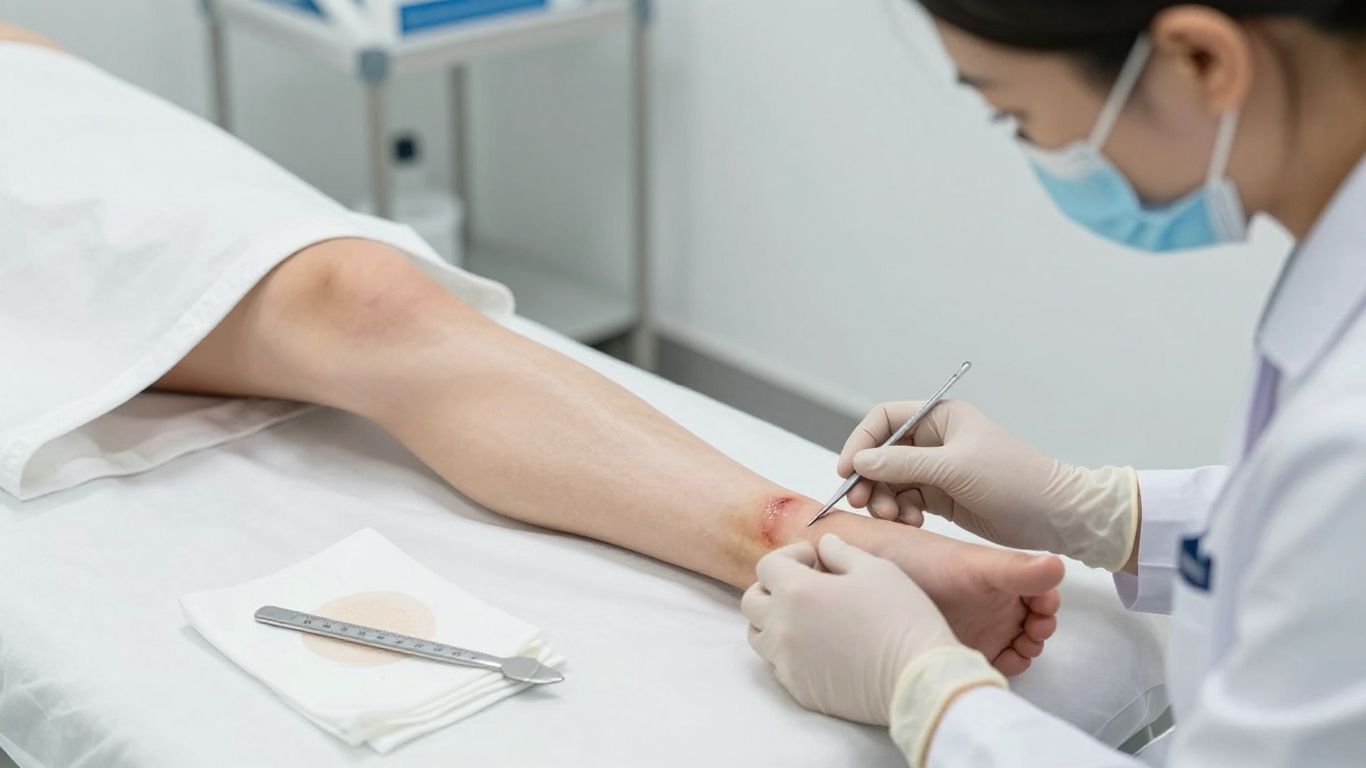
Acute wounds and traumatic tissue loss can vary from superficial skin loss to injuries involving deeper structures. Before selecting a dressing, you should establish the wound’s depth, hemostasis, contamination level, perfusion, and need for surgical evaluation. A biological dressing may be considered only after urgent structural and contamination concerns have been addressed.
Burns and partial-thickness injuries
Partial-thickness burns require careful assessment of depth, pain, fluid loss, infection risk, and the likelihood of spontaneous epithelialization. A covering that supports a moist environment may be useful in an appropriate wound, but burn size, location, circumferential injury, inhalation injury, and uncertain depth can change the treatment pathway.
Chronic wounds and difficult-to-heal ulcers
Chronic ulcers rarely improve through a dressing choice alone. Venous disease, arterial insufficiency, pressure, neuropathy, edema, infection, nutrition, and glycemic control should be assessed alongside the wound. CholeDerm may be considered within that wider plan when the wound bed is suitable and the clinical team can monitor progress.
Surgical wounds and donor sites
A surgical wound or donor site may require protection while epithelial coverage develops. Your decision should account for closure status, drainage, hemostasis, infection risk, and the surgeon’s operative findings. Any concern about dehiscence, exposed structures, or compromised perfusion warrants direct review by the surgical team.
Situations that require specialist assessment first
Specialist assessment should come first when the wound is deep, rapidly changing, severely contaminated, ischemic, or associated with exposed tendon, bone, hardware, or other critical structures. The same applies when systemic illness, severe pain out of proportion, spreading redness, or an unclear diagnosis is present. In these circumstances, dressing selection should not delay definitive care.
Preparing the wound before applying CholeDerm
Preparation determines whether a dressing can sit safely against a viable wound bed. You should examine the wound and surrounding skin, control active bleeding, remove material that prevents contact, and address infection or excessive bioburden according to the clinical plan. Product application should follow the current instructions for use and local protocols.
A baseline assessment also gives you something meaningful to compare at later reviews. Without it, changes in size, tissue quality, drainage, or pain can be difficult to interpret.
Assessing wound depth, tissue type, and exudate
Record the wound’s dimensions, depth, tissue types, edge condition, periwound skin, and level of exudate. Note whether the bed is predominantly granulating, epithelializing, slough-covered, or necrotic, and consider whether the wound extends beyond the skin. This information helps determine whether a biological matrix is appropriate and what secondary dressing may be needed.
Controlling bleeding and removing nonviable tissue
Active bleeding should be controlled before application, using an appropriate method for the wound and patient. Nonviable tissue, loose debris, and clot that prevents contact may require removal by a trained clinician. Debridement decisions should reflect perfusion, pain, anticoagulation, tissue depth, and the risk of exposing deeper structures.
Managing infection and excessive bioburden
A dressing should not be used to conceal an untreated infection. Assess for purulence, spreading erythema, increasing warmth, worsening pain, malodor with clinical deterioration, fever, or other systemic features. If infection is suspected, follow the appropriate antimicrobial, drainage, surgical, or specialist pathway before or alongside advanced dressing treatment.
Selecting the appropriate dressing size
Choose a sheet that provides suitable coverage of the wound without unnecessary overlap onto fragile or macerated skin. The product should lie flat over the intended area and remain compatible with the selected secondary dressing. If the wound shape is complex or larger than available product dimensions, seek clinical guidance rather than improvising an unsafe configuration.
Documenting the baseline wound condition
Document measurements, tissue appearance, drainage, odor, pain, photographs where permitted, and the condition of the surrounding skin. Record the product name, batch or lot information when required, date of application, and the planned review. A consistent record makes it easier to distinguish expected healing changes from deterioration.
How to apply and secure CholeDerm
Application should be clean, deliberate, and consistent with the product instructions for use. You need to protect the sheet from unnecessary handling, position it against the prepared wound bed, and select a secondary dressing that supports moisture balance. The final dressing should protect the site without causing pressure, friction, or impaired circulation.
If you are new to the technique, the manufacturer’s product application guidance can be reviewed alongside local training and the approved instructions. The specific wound still determines the practical details.
Handling and preparing the product
Handle the sheet with clean or aseptic technique as required by the clinical setting and product instructions. Confirm the package is intact, check sterility and expiry information, and prepare the product as directed. Do not use a package that is damaged, opened unexpectedly, or otherwise unsuitable for sterile application.
Positioning the dressing over the wound
Place the prepared sheet so it covers the wound bed with appropriate contact and minimal folding. Avoid trapping excessive fluid or leaving clinically significant areas uncovered. The dressing should conform to the wound without being forced into a deep cavity or used to replace a procedure that the wound requires.
Choosing a suitable secondary dressing
The secondary dressing should help maintain the desired moisture balance and protect the primary sheet from movement or external contamination. Your choice will depend on exudate volume, wound location, skin fragility, mobility, and the expected interval before review. A highly exuding wound may need a different absorbent strategy from a lightly exuding wound.
Securing the wound without restricting circulation
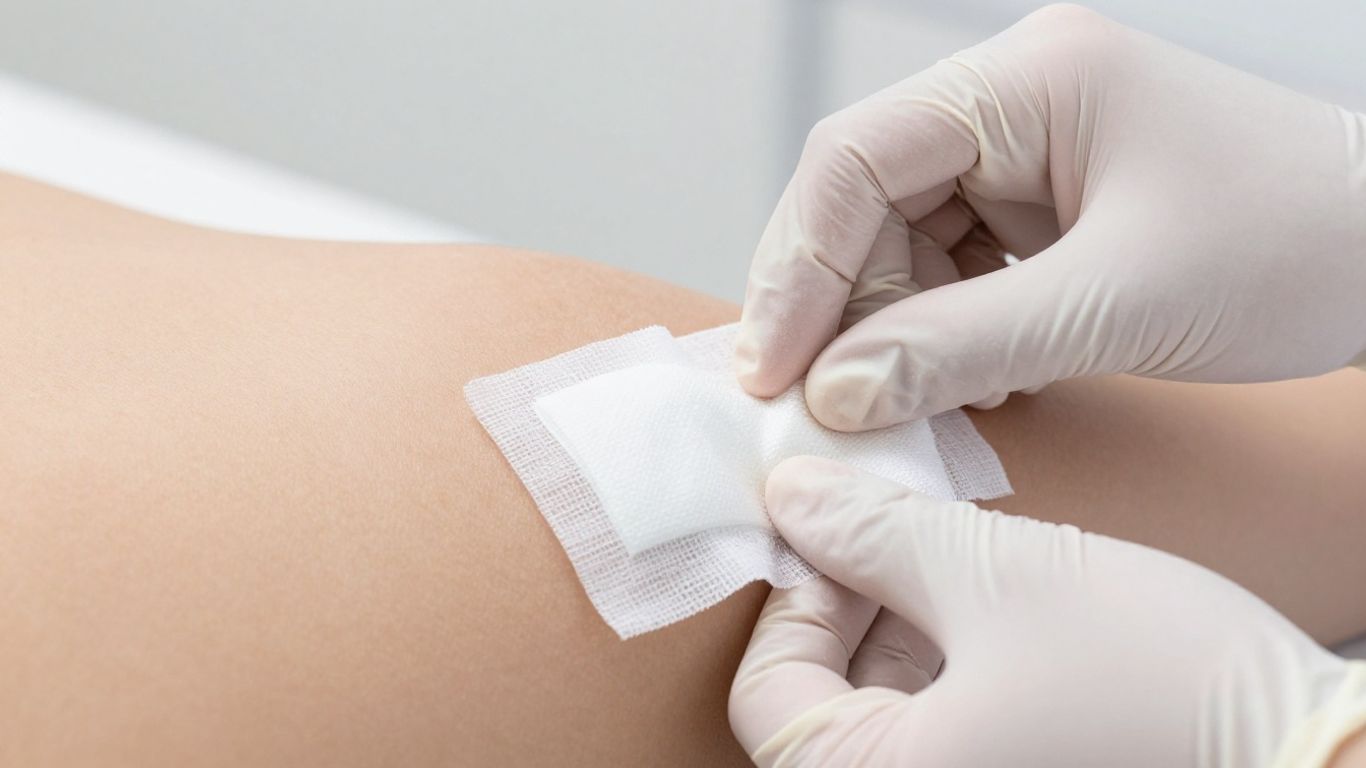
Secure the dressing gently and check the surrounding skin, distal color, temperature, sensation, and swelling where relevant. Avoid tight circumferential fixation, particularly on digits and limbs. The patient should understand what normal comfort feels like and which changes require the dressing to be checked promptly.
Factors that influence dressing-change timing
Change timing depends on exudate, dressing integrity, odor, leakage, pain, infection concerns, and the product instructions. A dressing that is clean and stable may not need unnecessary disturbance, while saturation, displacement, or deterioration requires earlier review. You should always prioritize the wound’s condition over a rigid calendar.
Monitoring healing during CholeDerm treatment
Monitoring turns application into a treatment plan. At each review, compare the wound with the baseline and ask whether the tissue, drainage, pain, and surrounding skin are moving in the expected direction. The patient’s general condition and ability to follow the plan matter just as much as the wound measurement.
A consistent review schedule helps you identify small changes before they become major setbacks. It also gives the wider care team a shared record of what has been tried and how the wound responded.
Changes in granulation and epithelialization
Healthy progress may include a cleaner wound bed, developing granulation tissue, advancing epithelial margins, and a gradual reduction in wound dimensions. These observations should be interpreted with the wound’s original depth and cause in mind. A wound that looks superficially improved may still require attention if undermining, exposed structures, or poor perfusion persists.
Managing exudate, odor, and dressing adherence
Track the amount and character of exudate, any new or worsening odor, leakage, and whether the dressing remains appropriately attached. Adherence can cause trauma during removal, especially when the wound or periwound skin is fragile. Use the instructed removal method and reassess the dressing plan if fluid balance or adherence becomes difficult to manage.
Recognizing pain or irritation at the wound site
Pain should be assessed at baseline and during dressing changes, not treated as an incidental detail. New burning, itching, contact irritation, escalating pain, or tenderness around the wound may indicate a product sensitivity, infection, pressure, or another complication. Ask the patient directly, since visible wound improvement does not always match their experience.
Recording wound measurements and photographs
Use the same measurement method and, where permitted, a consistent photographic technique at follow-up. Record length, width, depth, tissue type, exudate, odor, edge condition, and periwound findings. Photographs can support comparison, but they should supplement—not replace—a clinical examination and written record.
When to reassess or change the treatment plan
Reassess the plan if the wound enlarges, becomes more painful, develops new necrosis, shows spreading inflammation, or fails to progress as expected. Also review the plan when the patient’s perfusion, glucose control, nutrition, mobility, or infection status changes. A dressing should be discontinued, changed, or combined with another intervention only through an appropriate clinical decision.
Safety, precautions, and potential complications
Safety depends on correct patient selection, wound preparation, handling, application, and follow-up. Animal-derived materials may not be suitable for every patient, and the clinical team should review the product information before use. You should also explain what the patient should watch for between visits.
Complications may arise from the wound itself, the dressing, the fixation method, or an unrelated change in the patient’s condition. Early recognition is usually easier when the baseline assessment is specific and the review plan is clear.
Allergies and sensitivities to product components
Review known allergies, sensitivities, and relevant patient concerns about animal-derived materials before application. Watch for new itching, rash, localized swelling, burning, or worsening irritation. If a sensitivity is suspected, protect the wound appropriately and seek clinical advice about whether the product should be removed or replaced.
Signs of infection or delayed healing
Increasing pain, warmth, erythema, swelling, purulent drainage, fever, malodor with deterioration, or wound enlargement should prompt clinical review. Delayed healing may also reflect ischemia, pressure, edema, neuropathy, malnutrition, uncontrolled glucose, or an incorrect diagnosis. Treating the underlying barrier is as important as changing the dressing.
Symptoms that require urgent medical review
Urgent review is appropriate for rapidly spreading redness, severe or disproportionate pain, systemic illness, uncontrolled bleeding, sudden tissue discoloration, loss of sensation, or suspected deep infection. Exposed bone, tendon, hardware, or rapidly progressive tissue loss also requires prompt assessment. Do not wait for a routine dressing change when these features appear.
Considerations for immunocompromised patients
Patients with immune suppression may have muted inflammatory signs and a higher risk of infection or delayed repair. Review medications, comorbidities, perfusion, nutritional status, and recent clinical changes before deciding on treatment. These patients often benefit from a lower threshold for reassessment and closer coordination among clinicians.
Storage, sterility, and handling precautions
Follow the labeled storage conditions, expiry date, package-integrity checks, and sterile handling requirements. Keep the product protected from contamination and do not use it if sterility is uncertain. Record product details as required by local policy so that the treatment history remains traceable.
How CholeDerm fits into a complete wound-care plan
A biological dressing works best when it is placed within a plan that addresses the reason the wound is not healing. Cleansing, pressure relief, edema management, infection treatment, vascular assessment, nutrition, and glucose control may all be necessary. The dressing is one intervention among several, and its value should be judged in that wider context.
CholeDerm is presented as an extracellular-matrix wound-care product, while the broader advanced wound care solutions available from the same manufacturer illustrate how different clinical needs may require different product approaches. You should still select treatment according to the individual wound and approved product information.
Combining the dressing with cleansing and offloading
Use cleansing and debridement practices appropriate to the wound, and address pressure, shear, friction, or repeated trauma. Offloading may be essential for plantar or pressure-related wounds, while elevation and compression decisions may matter in venous disease when arterial status permits. No advanced dressing can compensate for continued mechanical injury.
Supporting nutrition, hydration, and blood glucose control
Adequate energy, protein, fluids, and micronutrients support tissue repair, although supplementation should be guided by assessment rather than assumption. For patients with diabetes, glucose management and foot protection remain central to care. Review smoking, mobility, renal disease, and other factors that may affect perfusion and recovery.
Comparing biological dressings with conventional options
A biological matrix and a conventional dressing serve different purposes, but neither is automatically the best choice for every wound. Compare options by wound-bed suitability, exudate handling, patient comfort, availability, cost, clinician training, and the quality of follow-up that can be provided. The comparison should remain clinical and patient-specific rather than based on novelty alone.
Coordinating care across clinicians and caregivers
Agree on who will assess the wound, change the dressing, monitor symptoms, and contact the prescribing clinician. Give caregivers clear instructions about keeping the dressing protected, observing leakage or displacement, and reporting deterioration. Shared documentation reduces conflicting advice and makes handovers safer.
Setting realistic healing expectations and follow-up intervals
Healing time varies with wound cause, depth, perfusion, infection, comorbidities, and adherence to the wider care plan. Set measurable review goals rather than promising a fixed outcome, and explain that progress may be uneven. The follow-up interval should be short enough to detect complications but tailored to wound stability, exudate, patient risk, and available support.
Conclusion
CholeDerm wound care should be approached as a structured clinical process: assess the wound, prepare the bed, apply the dressing according to instructions, protect it appropriately, and monitor both local healing and the patient’s overall condition. When you combine careful selection with infection control, pressure relief, metabolic support, and reliable follow-up, you give the wound a more coherent opportunity to heal.
Frequently Asked Questions
What is an extracellular matrix dressing?
An extracellular matrix dressing is a tissue-derived material used to cover a wound and provide a scaffold or supportive environment during repair. Its suitability depends on the wound, the patient, and the product’s approved use.
Why does wound-bed preparation matter?
Preparation removes barriers to contact and healing, such as uncontrolled bleeding, loose debris, nonviable tissue, excessive fluid, or untreated infection. It also establishes a baseline for later comparison.
How often should a wound dressing be changed?
The timing depends on the product instructions, exudate, dressing integrity, odor, leakage, pain, and signs of infection. A clinician should determine the schedule rather than relying on a universal interval.
What should you record at a wound review?
Record measurements, depth, tissue type, drainage, odor, pain, wound edges, periwound skin, photographs where permitted, and any change in the patient’s general condition. Consistency makes trends easier to interpret.
Can a dressing treat an infected wound by itself?
A dressing alone cannot replace assessment and treatment of infection. Suspected infection may require cleansing, drainage, antimicrobial treatment, surgical care, or specialist review.
When should a patient seek urgent wound-care advice?
Seek urgent advice for rapidly spreading redness, severe or worsening pain, fever, uncontrolled bleeding, sudden discoloration, loss of sensation, or suspected deep infection. Exposed critical structures also require prompt medical evaluation.
What helps a chronic wound heal?
Healing may require pressure relief, vascular assessment, edema management, infection control, adequate nutrition and hydration, glucose management, smoking cessation, and regular review. The correct combination depends on the wound’s cause and the patient’s health.